LetisimReloadable
CLARO5G
DATA1 GB
VALIDITY7 days
VALIDITY STARTS AT FIRST CONNECTIONACTIVATE WITHIN 180 DAYS
$7.08$7.08 · Per GB
Peru · PE
from $5.98 per GB
Keep maps, ride-hailing and messages working from Lima to the coast and the Andes. Compare Peru’s main mobile networks, check address-level coverage and choose data that fits your route.
20 GB · 30 days for $119.60. Catalog checked 2026-09-10; confirm the total before paying.
A digital SIM you add to your phone over the internet. No plastic card and no visit to a shop.
Use Letisim for maps, taxis and messages while keeping your usual number.
Check my phoneCalls and texts on your home SIM follow your operator’s rates.
Compare data, duration and when validity begins. A top-up label means more data can be added to that package.
Prices checked 2026-09-10. The live catalog is authoritative at checkout.
Prices checked 2026-09-10. The live catalog is authoritative at checkout.
Open all current plans| Data | Validity | Price | Per GB | Choose plan |
|---|---|---|---|---|
| 1 GBClaro5GReloadable | 7 daysVALIDITY STARTS AT FIRST CONNECTIONACTIVATE WITHIN 180 DAYS | $7.08 | $7.08 | Choose plan |
| 1 GBReloadable | 30 daysVALIDITY STARTS AT PURCHASE | $14.37 | $14.37 | Choose plan |
| 3 GBClaro5GReloadable | 15 daysVALIDITY STARTS AT FIRST CONNECTIONACTIVATE WITHIN 180 DAYS | $20.36 | $6.79 | Choose plan |
| 3 GBReloadable | 30 daysVALIDITY STARTS AT PURCHASE | $21.28 | $7.10 | Choose plan |
| 5 GBReloadable | 30 daysVALIDITY STARTS AT PURCHASE | $32.00 | $6.40 | Choose plan |
| 10 GBReloadable | 30 daysVALIDITY STARTS AT PURCHASE | $60.80 | $6.08 | Choose plan |
| 20 GBReloadable | 30 daysVALIDITY STARTS AT PURCHASE | $119.60 | $5.98 | Choose plan |
| 50 GBReloadable | 30 daysVALIDITY STARTS AT PURCHASE | $313.92 | $6.28 | Choose plan |
| 100 GBReloadable | 30 daysVALIDITY STARTS AT PURCHASE | $679.20 | $6.80 | Choose plan |
| UnlimitedClaro5G | 1 dayVALIDITY STARTS AT FIRST CONNECTIONACTIVATE WITHIN 180 DAYS | $13.68 | — | Choose plan |
| UnlimitedClaro5G | 3 daysVALIDITY STARTS AT FIRST CONNECTIONACTIVATE WITHIN 180 DAYS | $41.04 | — | Choose plan |
| UnlimitedClaro5G | 7 daysVALIDITY STARTS AT FIRST CONNECTIONACTIVATE WITHIN 180 DAYS | $95.76 | — | Choose plan |
| UnlimitedClaro5G | 14 daysVALIDITY STARTS AT FIRST CONNECTIONACTIVATE WITHIN 180 DAYS | $191.52 | — | Choose plan |
| UnlimitedClaro5G | 30 daysVALIDITY STARTS AT FIRST CONNECTIONACTIVATE WITHIN 180 DAYS | $410.40 | — | Choose plan |
Choose an allowance to see what it could cover. Quality, compression and background activity change actual usage.
With 3 GB, approximately…
Example: 5 MB per photo
Example: a 1-minute Full HD clip ≈ 63 MB
HD example: 3 GB per hour
At standard quality: ≈ 4 hr 17 min
1:1 at 720p: ≈ 1.08 GB per hour
Each result uses the whole allowance for that one activity. The results do not add up: maps, messages and other apps share the same data.
Taking photos or recording video on your phone does not itself use mobile data. Sending, watching or backing them up over the mobile network does.
| Data | Photos · 5 MB | 1-minute clips · 63 MB | HD video · 3 GB/hr | Standard video · 0.7 GB/hr | Video calls · 720p |
|---|---|---|---|---|---|
| 1 GB | ≈ 200 photos | ≈ 15 clips | ≈ 20 min | ≈ 1 hr 25 min | ≈ 55 min |
| 3 GB | ≈ 600 photos | ≈ 47 clips | ≈ 1 hr | ≈ 4 hr 17 min | ≈ 2 hr 46 min |
| 5 GB | ≈ 1,000 photos | ≈ 79 clips | ≈ 1 hr 40 min | ≈ 7 hr 8 min | ≈ 4 hr 37 min |
| 10 GB | ≈ 2,000 photos | ≈ 158 clips | ≈ 3 hr 20 min | ≈ 14 hr 17 min | ≈ 9 hr 15 min |
| 20 GB | ≈ 4,000 photos | ≈ 317 clips | ≈ 6 hr 40 min | ≈ 28 hr 34 min | ≈ 18 hr 31 min |
Planning examples, not guaranteed totals. We use 1 GB = 1,000 MB, round down complete files and minutes, and exclude overhead, retries and background traffic.
Sources checked 2026-09-08
Start with your usual usage. Download maps, your accommodation address and bookings before departure.
Allow extra data if Wi-Fi will be limited. Check whether your phone backs up photos and videos over mobile data.
Check recent data use on your phone and the package’s hotspot rules. Budget separately for video calls and large downloads.
03 / Installation
Your first eSIM? Here is what to open and what to tap.
Check the exact model, regional variant and system version. If Add eSIM or EID is missing, contact support before buying. A brand name alone does not confirm compatibility.
Manufacturer’s instructions · iPhone ↗
Manufacturer’s instructions · Google Pixel / Android ↗
Manufacturer’s instructions · Samsung ↗
Manufacturer’s instructions · Huawei ↗
Manufacturer’s instructions · Honor ↗
Manufacturer’s instructions · Xiaomi / Redmi ↗
Manufacturer’s instructions · Motorola ↗
Manufacturer’s instructions · OPPO ↗
Manufacturer’s instructions · OnePlus ↗
On iOS 26, a Turn On Travel eSIM notification may appear after arrival. Choose the travel line for data and check whether you also want to keep your home line active. If no notification appears, use the manual steps below.
Check when your package starts: at payment, installation or first connection. If it starts on installation, install nearer your trip. Installing later does not postpone a package that started at payment.
These screens show settings on the models named below. Your operator and eSIM labels will differ. Screens retain the source language; each caption translates and identifies the control to use. Tap any image for a closer look.
iPhone 17 · iOS 26 · Screen source ↗
Use a stable Wi-Fi connection or hotspot. Your exact phone model must support eSIM and be unlocked for other operators.
Connect the phone you will use for your eSIM to Wi-Fi. Choose one of the two options below. If this eSIM is already installed, skip to choosing the line for mobile data.
You can add the eSIM by scanning its QR code in Settings. Follow the path below, choose the QR scanner and use the code for your own purchase. If the QR is on this same phone, see the options without a second screen below the guide.
iPhone: Settings → Mobile Service / Cellular → Add eSIM → Use QR Code → Scan QR Code → Continue
Google Pixel / Android: Settings → Network and Internet → SIMs → Add SIM → Set up an eSIM → scan your QR → Set up
Samsung: Settings → Connections → SIM manager → Add eSIM → Scan QR code → Add → Next
Huawei: Settings → Mobile network → SIM management → SIM 2 → Add eSIM → Add eSIM → Scan code → Add this eSIM
Honor: Settings → Mobile network → SIM management → Add eSIM → Add eSIM or transfer from your device → Set up an eSIM → Set up
Xiaomi / Redmi: Settings → Mobile networks → Use eSIM → Manage eSIM → Add eSIM → Add eSIM → scan your QR → confirm download
Motorola: Settings → Network & Internet → SIMs & mobile network → Download new SIM → Set up an eSIM → scan your QR → Set up
OPPO: Settings → Mobile network → SIM & eSIM settings → Add eSIM → Set up an eSIM → scan your QR → Set up
OnePlus: Settings → Mobile network → eSIM → Add eSIM → Add eSIM → Next → scan your QR → Set up
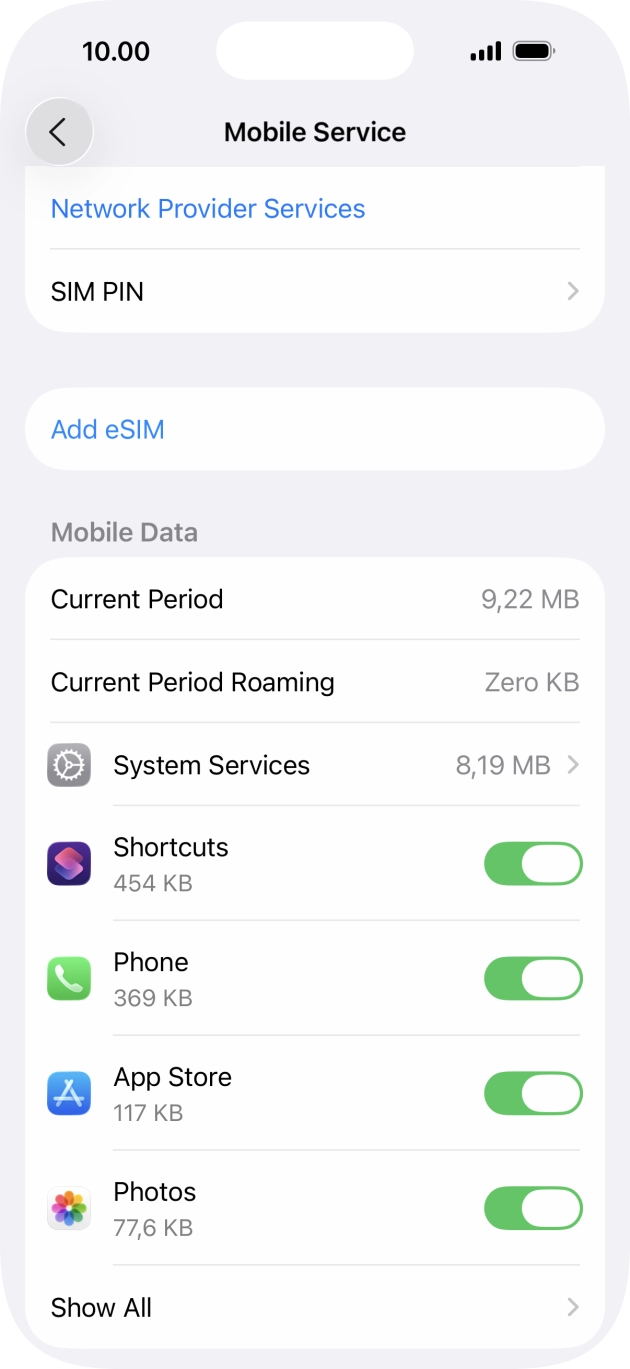 Enlarge screen ↗
The install button or your QR code opens the phone’s system setup. Confirm that you want to add the eSIM, then stay connected to Wi-Fi until the profile finishes downloading. If the phone first asks how to add an eSIM, use your QR code. You do not need to transfer your home SIM from another phone.
Continue / Add / Install / Set up → wait for the eSIM to download
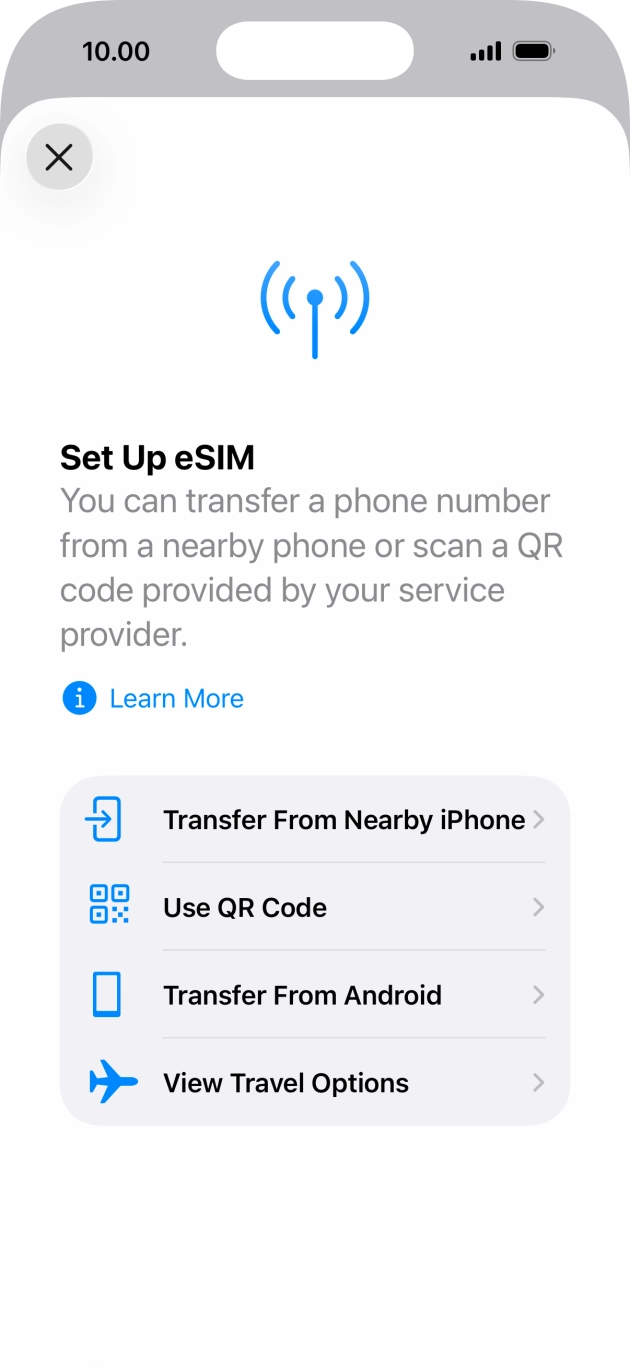 Enlarge screen ↗
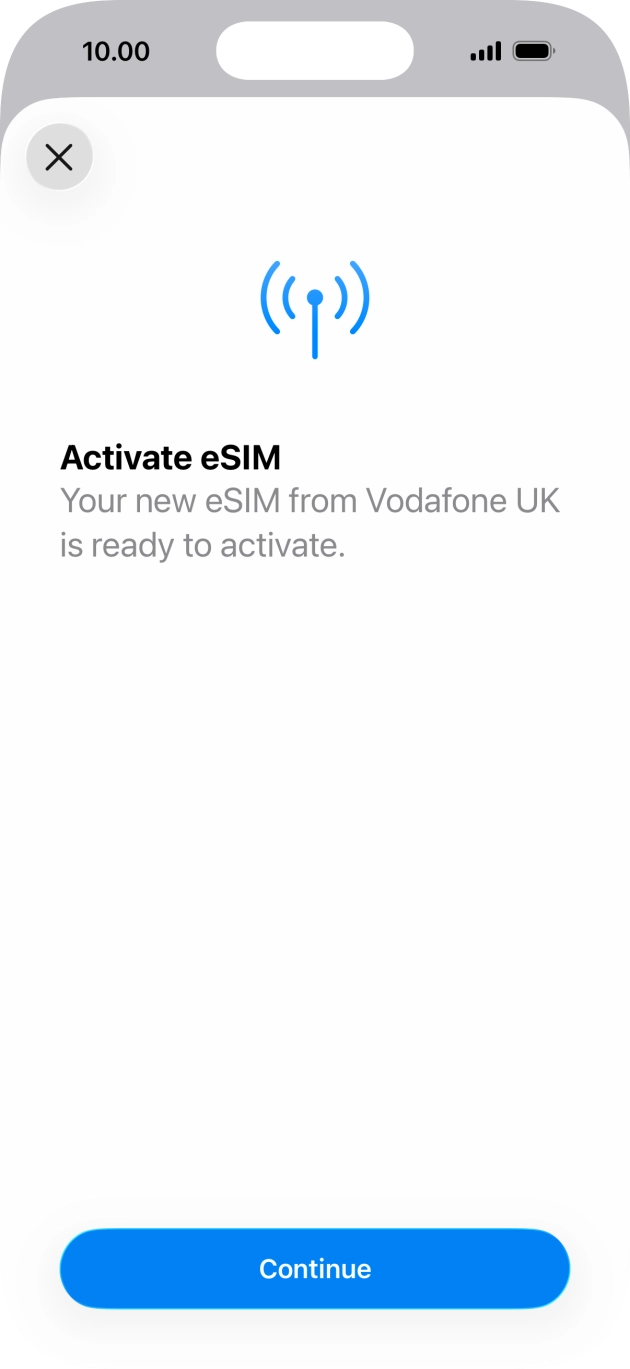 Enlarge screen ↗
For example, “Letisim Peru”, so you can distinguish it from your home SIM. This is a label on your phone; it does not change the number or plan.
iPhone: Settings → Cellular / Mobile Service → new eSIM → Cellular Plan Label → Custom
Google Pixel / Android: Settings → Network & internet → SIMs → new eSIM → Edit name
Samsung: Settings → Connections → SIM manager → new eSIM → Name
Huawei: SIM management → SIM 2 → your eSIM → Card name. You can keep the existing label if no rename option is shown.
Honor: SIM management → SIM 2 → eSIM name. Rename it if your MagicOS version offers this option.
Xiaomi / Redmi: Manage eSIM → your plan → Change nickname, if available.
Motorola: Open the new eSIM in SIM settings and use the edit-name option if available.
OPPO: Open the installed profile in eSIM settings and change its label if your ColorOS version allows it.
OnePlus: Open the installed eSIM and edit its name if the option is available.
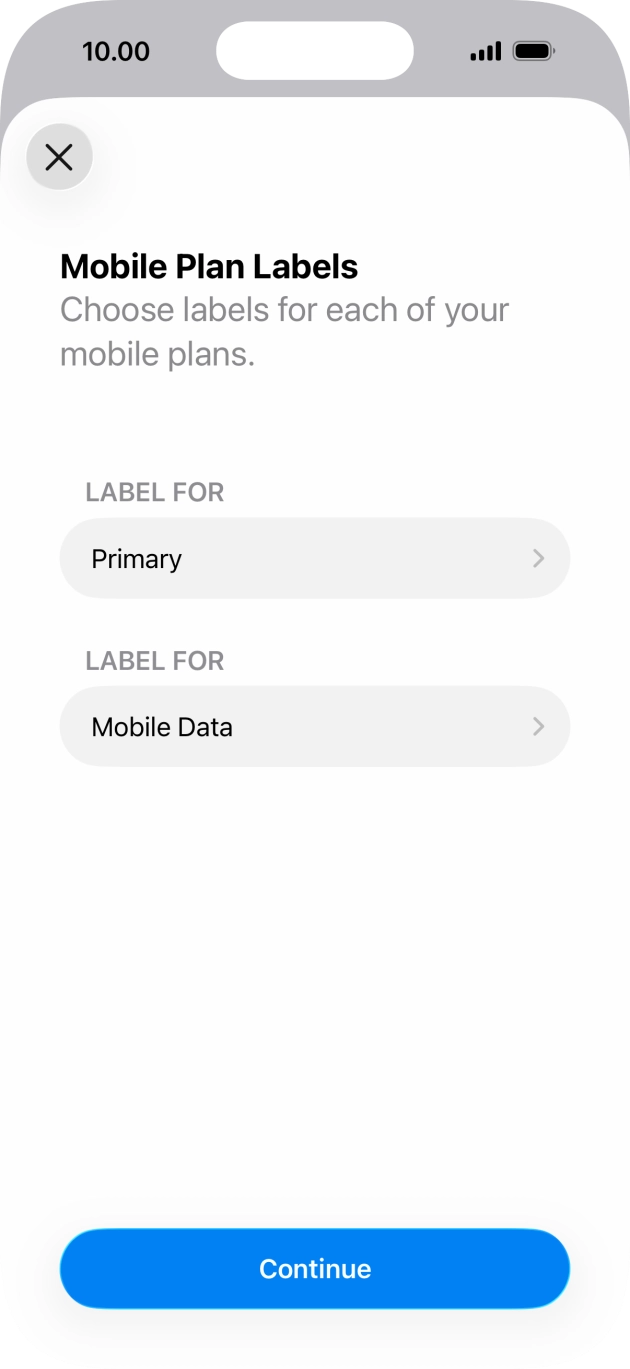 Enlarge screen ↗
Installation adds the eSIM to your phone. Choose it for mobile data at your destination. Package validity still follows its own start rule.
Turn on the new line and select it for mobile data. You can keep your home SIM for calls and texts at its usual rates. Turn off automatic mobile-data switching between SIMs.
iPhone: Settings → Cellular / Mobile Service → Cellular Data → Letisim. Turn off “Allow Cellular Data Switching”.
Google Pixel / Android: Settings → Network & internet → SIMs → Mobile data → Letisim
Samsung: Settings → Connections → SIM manager → Mobile data → Letisim
Huawei: In SIM management, enable the travel eSIM and select it as the default mobile-data SIM. Adding it may disable a physical SIM in slot 2.
Honor: In SIM management, enable the eSIM and choose it for mobile data. Check which physical SIM remains active.
Xiaomi / Redmi: Enable the travel plan in Manage eSIM, then select it for mobile data. Some models use eSIM instead of physical SIM 2.
Motorola: Network & internet → SIM settings: enable the travel eSIM and select it for mobile data.
OPPO: Enable the profile in Mobile network → eSIM, then select it for mobile data. The eSIM may occupy the SIM 2 position.
OnePlus: In Mobile network, enable the travel eSIM and choose it for mobile data. Turn off automatic switching to the other SIM.
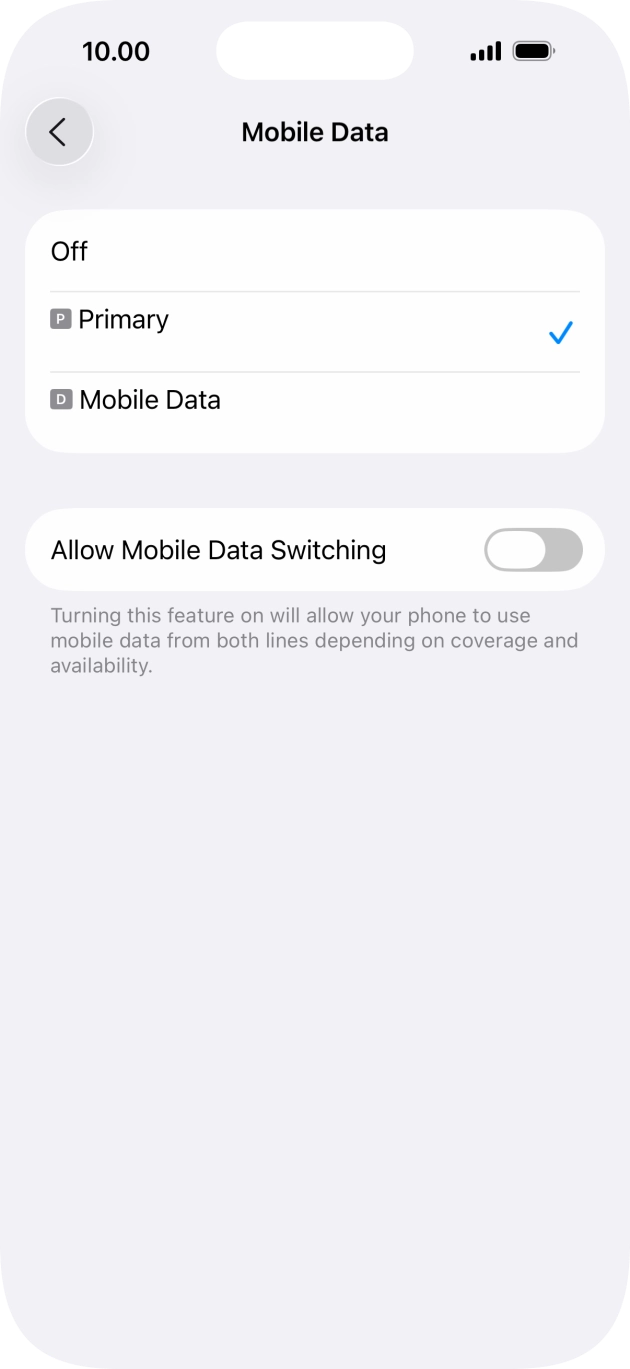 Enlarge screen ↗
If your eSIM instructions require data roaming, enable it for the Letisim line. Keep data roaming off on your home SIM. If an APN is specified, use the exact value in your own package’s guide.
iPhone: Settings → Cellular / Mobile Service → Letisim → Data Roaming (sometimes under Cellular Data Options)
Google Pixel / Android: Settings → Network & internet → SIMs → Letisim → Roaming
Samsung: First select Letisim for mobile data, then Settings → Connections → Mobile networks → Data roaming
Huawei: Open Mobile network → Mobile data and check data roaming for the travel SIM. Follow the settings in your package guide.
Honor: In the mobile-network settings, open the travel SIM’s data settings and enable roaming only if your package requires it.
Xiaomi / Redmi: In Mobile networks, open the travel SIM’s data-roaming settings. Use the roaming and APN values from your package guide.
Motorola: Open the travel eSIM’s network settings and check Roaming against your package instructions.
OPPO: Open the travel SIM’s mobile-network settings and enable data roaming if required by your package.
OnePlus: Open the travel SIM’s settings and check Data roaming against the instructions for your own package.
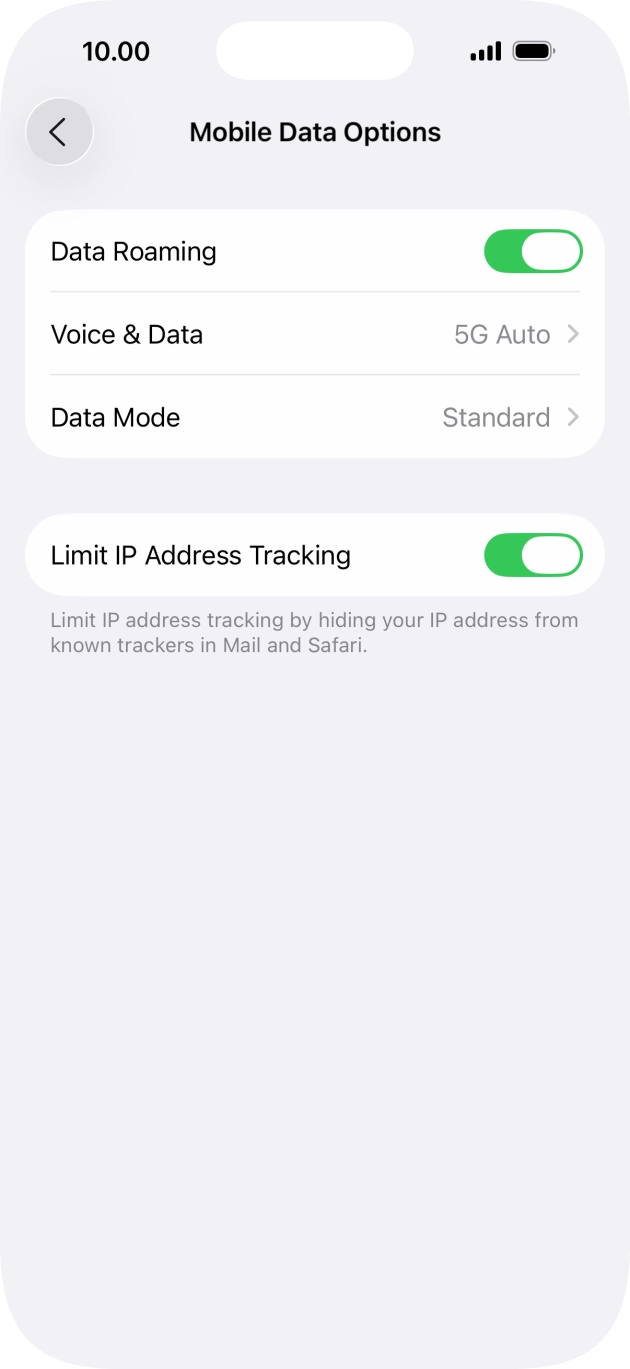 Enlarge screen ↗
Turn off Wi-Fi and open a map or website. If it loads, mobile data is working. If it does not, turn airplane mode on for about 30 seconds, turn it off and wait for a connection. Recheck the selected line and package settings.
Wi-Fi off → website loads → you are connected
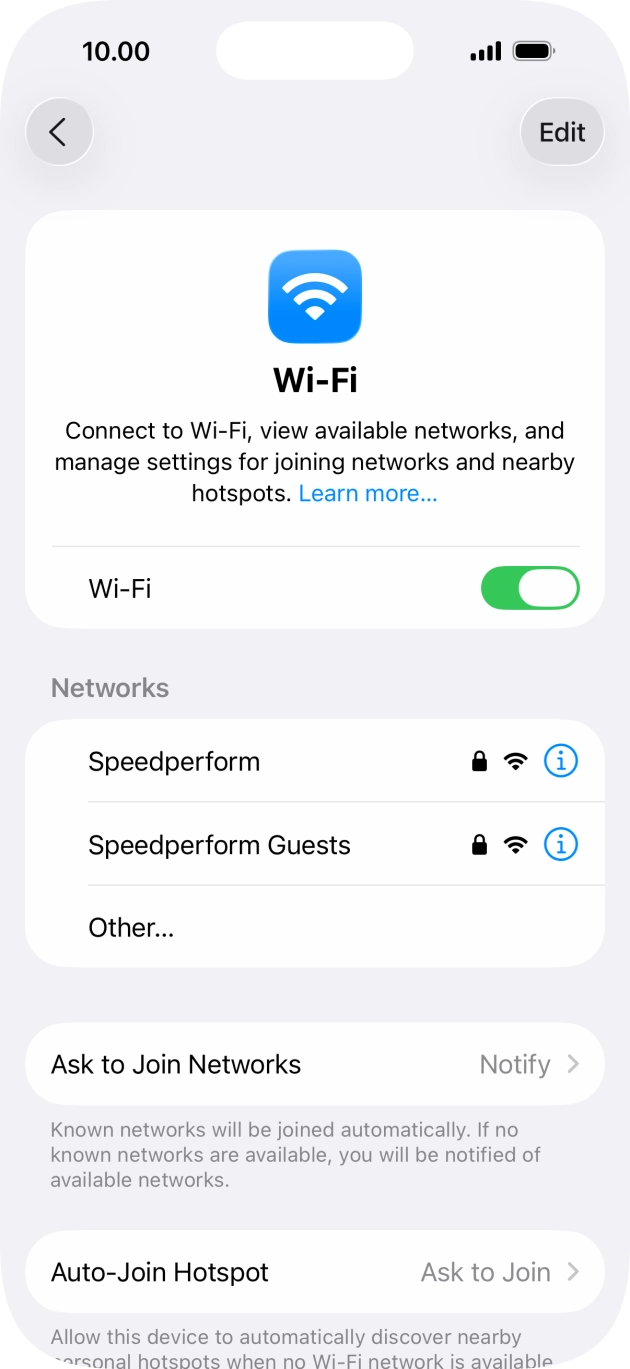 Enlarge screen ↗
If the scanner has a gallery button, save the QR from your order and choose that image. If your order includes manual installation details, choose Enter details manually and copy the fields exactly. The available methods depend on your phone and eSIM. If neither is available, contact support; do not scan a sample code from this guide or delete an installed eSIM.
Menu names can differ by phone model and system version.
04 / Operators
Compare network coverage separately from speed. A national result does not predict reception inside your hotel or along a mountain road.
OSIPTEL market reporting and Opensignal’s February 2026 report both identify four nationwide mobile operators in Peru: Bitel, Claro, Entel and Movistar. This page focuses on those current national networks.
Bitel publishes a public national coverage map for mobile service. Travellers should still check the exact hotel, apartment, airport or pickup point, because coverage can differ between outdoors and indoors. [3] [11]
Check coverage ↗Claro’s public coverage tool lets travellers inspect service by place. It is best used for a specific stay or arrival point rather than for assuming the whole city will feel the same. [3] [4]
Check coverage ↗Entel offers a mobile coverage search by address or city. For travel planning, the most useful check is the exact building, stop or tour meeting place. [3] [5]
Check coverage ↗Movistar’s public map is searchable by address. It helps compare service at a concrete place, but it should not be read as a promise that every room or roadside stretch will perform the same way. [3] [6]
Check coverage ↗| Operator | Coverage Experience / 10 | Download · Mbps | Study date |
|---|---|---|---|
| Bitel | — | 30.6 | 2026-02[3] |
| Claro | — | 30.4 | 2026-02[3] |
| Entel | — | 25.1 | 2026-02[3] |
| Movistar | — | 23.7 | 2026-02[3] |
Coverage Experience is a score, not a percentage of territory. These dated averages are not promised speeds for your connection.
The network in your chosen package is what matters. This country comparison does not mean every plan includes every operator. 5G depends on the package, phone and local coverage.
05 / Coverage
Check the addresses and roads you will actually use. Save maps and booking details before leaving Wi-Fi.
In Lima, start with the airport, Miraflores, San Isidro and the historic center. Address-level checks are more useful than citywide assumptions because indoor signal can vary sharply between towers, building materials and underground spaces. Download maps and ride-hailing apps before arrival so you can move immediately after landing. [2] [7] [9] [10]
Paracas is a practical base for coast and reserve visits, but day trips often continue along desert roads and tour access points. Check the hotel, dock or meeting place you actually use, and keep offline maps ready for the highway stretch between Lima, Ica and the coast. [8] [10]
Use Trujillo as the practical hub, then check the route to Chan Chan and any coastal stops separately. Cached navigation helps here, because short transfers between the city, the archaeological zone and the shore are when live data matters most. [7] [10]
Around Huascarán and the valley approaches, prepare for long stretches where service can change by village, bend or elevation. Plan maps, tickets and bookings offline first, then treat any live signal as helpful extra connectivity rather than something to rely on for the whole route. [10]
Peru · eSIM
Peru’s four nationwide mobile operators are Bitel, Claro, Entel and Movistar. The practical choice depends less on brand slogans than on the exact place where you sleep, work and move around. OSIPTEL’s checker helps with address-level planning, while each operator’s own map shows how it defines covered areas and surrounding zones.
Independent measurement adds another lens. In Opensignal’s February 2026 report, Entel was named Best Network, while Claro and Bitel shared the top overall download-speed result. That is a useful comparison snapshot, but it is a past measurement, not a promise of the exact experience you will see on one street or inside one building.
Official app for Lima’s Line 1 metro, useful for station information, schedules and trip details when moving around the capital. [9]
A general navigation app for live traffic, public transport directions and offline area planning before switching between Lima, the coast and inland trips. [10]
Use OSIPTEL’s checker to look up the exact address, then compare it with the operator’s own map. That combination is more useful than relying on a single logo, because one provider may show a covered district while another reveals the differences between mapped areas and surrounding streets. [1] [2] [4] [5] [6] [11]
A place marked as covered does not guarantee the same result in every room, basement or roadside stretch. For travellers, the real question is whether the exact place where you sleep, meet a guide or wait for transport sits inside the useful area. [2] [4] [6] [11]
Peru combines city streets, coastal highways and high-altitude or reserve trips. A data eSIM is most useful when maps, messaging and ride-hailing work at the moments you actually change plans, not only in the city center. [7] [8] [10]
06 / FAQ
Compare the four nationwide operators: Bitel, Claro, Entel and Movistar. They are the main networks travellers are likely to encounter, and OSIPTEL plus the operators’ own maps let you check service at a specific address instead of relying on a countrywide assumption. If you only need data for navigation and messages, it often makes more sense to prioritise the exact hotel, apartment, airport or tour pickup point than to choose by brand name alone. [1] [2] [3]
Yes. OSIPTEL’s coverage checker is designed for address-level or district-level checks, and operator maps let you inspect the same place through the provider’s own lens. That is especially useful if you need reliable service at one hotel, office or apartment, because coverage can differ between indoor and outdoor areas and between mapped zones and nearby streets. [1] [2] [4] [5] [6] [11]
No, and it is better not to assume it is. Lima, the southern coast around Paracas, the north around Trujillo and the high Andes around Huascarán all create different connectivity conditions because terrain, road type and building environment change. For a traveller, the practical approach is to check the exact stop points on the itinerary and keep offline maps available for transfers. [7] [8] [10]
In Opensignal’s February 2026 Peru report, Entel was named Best Network, while Claro and Bitel jointly led overall download speed. Treat that as a comparison snapshot, not a guarantee for your route, because a hotel’s indoor signal and a highway section can feel very different from national averages. [3]
Google Maps is useful for navigation, live traffic and offline area planning. In Lima, the official Line 1 metro app is also handy if you plan to use the city’s rail line. Installing both before arrival can save time if you land without immediate data and want to move straight from the airport to your hotel. [9] [10]