LetisimReloadable
ZAIN4G
DATA1 GB
VALIDITY7 days
VALIDITY STARTS AT FIRST CONNECTIONACTIVATE WITHIN 180 DAYS
$19.20$19.20 · Per GB
Sudan · SD
from $17.07 per GB
Stay online for maps, taxis and messages in Sudan with a travel eSIM that fits city days, coastal transfers and heritage routes.
3 GB · 15 days for $51.20. Catalog checked 2026-09-10; confirm the total before paying.
A digital SIM you add to your phone over the internet. No plastic card and no visit to a shop.
Use Letisim for maps, taxis and messages while keeping your usual number.
Check my phoneCalls and texts on your home SIM follow your operator’s rates.
Compare data, duration and when validity begins. A top-up label means more data can be added to that package.
Prices checked 2026-09-10. The live catalog is authoritative at checkout.
Prices checked 2026-09-10. The live catalog is authoritative at checkout.
Open all current plans| Data | Validity | Price | Per GB | Choose plan |
|---|---|---|---|---|
| 1 GBZain4GReloadable | 7 daysVALIDITY STARTS AT FIRST CONNECTIONACTIVATE WITHIN 180 DAYS | $19.20 | $19.20 | Choose plan |
| 1 GBReloadable | 30 daysVALIDITY STARTS AT PURCHASE | $30.84 | $30.84 | Choose plan |
| 3 GBZain4GReloadable | 15 daysVALIDITY STARTS AT FIRST CONNECTIONACTIVATE WITHIN 180 DAYS | $51.20 | $17.07 | Choose plan |
| 3 GBReloadable | 30 daysVALIDITY STARTS AT PURCHASE | $82.30 | $27.44 | Choose plan |
| 5 GBReloadable | 30 daysVALIDITY STARTS AT PURCHASE | $85.32 | $17.07 | Choose plan |
| 10 GBReloadable | 30 daysVALIDITY STARTS AT PURCHASE | $205.79 | $20.58 | Choose plan |
| 20 GBReloadable | 30 daysVALIDITY STARTS AT PURCHASE | $391.04 | $19.56 | Choose plan |
| 50 GBReloadable | 30 daysVALIDITY STARTS AT PURCHASE | $905.62 | $18.12 | Choose plan |
Choose an allowance to see what it could cover. Quality, compression and background activity change actual usage.
With 3 GB, approximately…
Example: 5 MB per photo
Example: a 1-minute Full HD clip ≈ 63 MB
HD example: 3 GB per hour
At standard quality: ≈ 4 hr 17 min
1:1 at 720p: ≈ 1.08 GB per hour
Each result uses the whole allowance for that one activity. The results do not add up: maps, messages and other apps share the same data.
Taking photos or recording video on your phone does not itself use mobile data. Sending, watching or backing them up over the mobile network does.
| Data | Photos · 5 MB | 1-minute clips · 63 MB | HD video · 3 GB/hr | Standard video · 0.7 GB/hr | Video calls · 720p |
|---|---|---|---|---|---|
| 1 GB | ≈ 200 photos | ≈ 15 clips | ≈ 20 min | ≈ 1 hr 25 min | ≈ 55 min |
| 3 GB | ≈ 600 photos | ≈ 47 clips | ≈ 1 hr | ≈ 4 hr 17 min | ≈ 2 hr 46 min |
| 5 GB | ≈ 1,000 photos | ≈ 79 clips | ≈ 1 hr 40 min | ≈ 7 hr 8 min | ≈ 4 hr 37 min |
| 10 GB | ≈ 2,000 photos | ≈ 158 clips | ≈ 3 hr 20 min | ≈ 14 hr 17 min | ≈ 9 hr 15 min |
| 20 GB | ≈ 4,000 photos | ≈ 317 clips | ≈ 6 hr 40 min | ≈ 28 hr 34 min | ≈ 18 hr 31 min |
Planning examples, not guaranteed totals. We use 1 GB = 1,000 MB, round down complete files and minutes, and exclude overhead, retries and background traffic.
Sources checked 2026-09-08
Start with your usual usage. Download maps, your accommodation address and bookings before departure.
Allow extra data if Wi-Fi will be limited. Check whether your phone backs up photos and videos over mobile data.
Check recent data use on your phone and the package’s hotspot rules. Budget separately for video calls and large downloads.
03 / Installation
Your first eSIM? Here is what to open and what to tap.
Check the exact model, regional variant and system version. If Add eSIM or EID is missing, contact support before buying. A brand name alone does not confirm compatibility.
Manufacturer’s instructions · iPhone ↗
Manufacturer’s instructions · Google Pixel / Android ↗
Manufacturer’s instructions · Samsung ↗
Manufacturer’s instructions · Huawei ↗
Manufacturer’s instructions · Honor ↗
Manufacturer’s instructions · Xiaomi / Redmi ↗
Manufacturer’s instructions · Motorola ↗
Manufacturer’s instructions · OPPO ↗
Manufacturer’s instructions · OnePlus ↗
On iOS 26, a Turn On Travel eSIM notification may appear after arrival. Choose the travel line for data and check whether you also want to keep your home line active. If no notification appears, use the manual steps below.
Check when your package starts: at payment, installation or first connection. If it starts on installation, install nearer your trip. Installing later does not postpone a package that started at payment.
These screens show settings on the models named below. Your operator and eSIM labels will differ. Screens retain the source language; each caption translates and identifies the control to use. Tap any image for a closer look.
iPhone 17 · iOS 26 · Screen source ↗
Use a stable Wi-Fi connection or hotspot. Your exact phone model must support eSIM and be unlocked for other operators.
Connect the phone you will use for your eSIM to Wi-Fi. Choose one of the two options below. If this eSIM is already installed, skip to choosing the line for mobile data.
You can add the eSIM by scanning its QR code in Settings. Follow the path below, choose the QR scanner and use the code for your own purchase. If the QR is on this same phone, see the options without a second screen below the guide.
iPhone: Settings → Mobile Service / Cellular → Add eSIM → Use QR Code → Scan QR Code → Continue
Google Pixel / Android: Settings → Network and Internet → SIMs → Add SIM → Set up an eSIM → scan your QR → Set up
Samsung: Settings → Connections → SIM manager → Add eSIM → Scan QR code → Add → Next
Huawei: Settings → Mobile network → SIM management → SIM 2 → Add eSIM → Add eSIM → Scan code → Add this eSIM
Honor: Settings → Mobile network → SIM management → Add eSIM → Add eSIM or transfer from your device → Set up an eSIM → Set up
Xiaomi / Redmi: Settings → Mobile networks → Use eSIM → Manage eSIM → Add eSIM → Add eSIM → scan your QR → confirm download
Motorola: Settings → Network & Internet → SIMs & mobile network → Download new SIM → Set up an eSIM → scan your QR → Set up
OPPO: Settings → Mobile network → SIM & eSIM settings → Add eSIM → Set up an eSIM → scan your QR → Set up
OnePlus: Settings → Mobile network → eSIM → Add eSIM → Add eSIM → Next → scan your QR → Set up
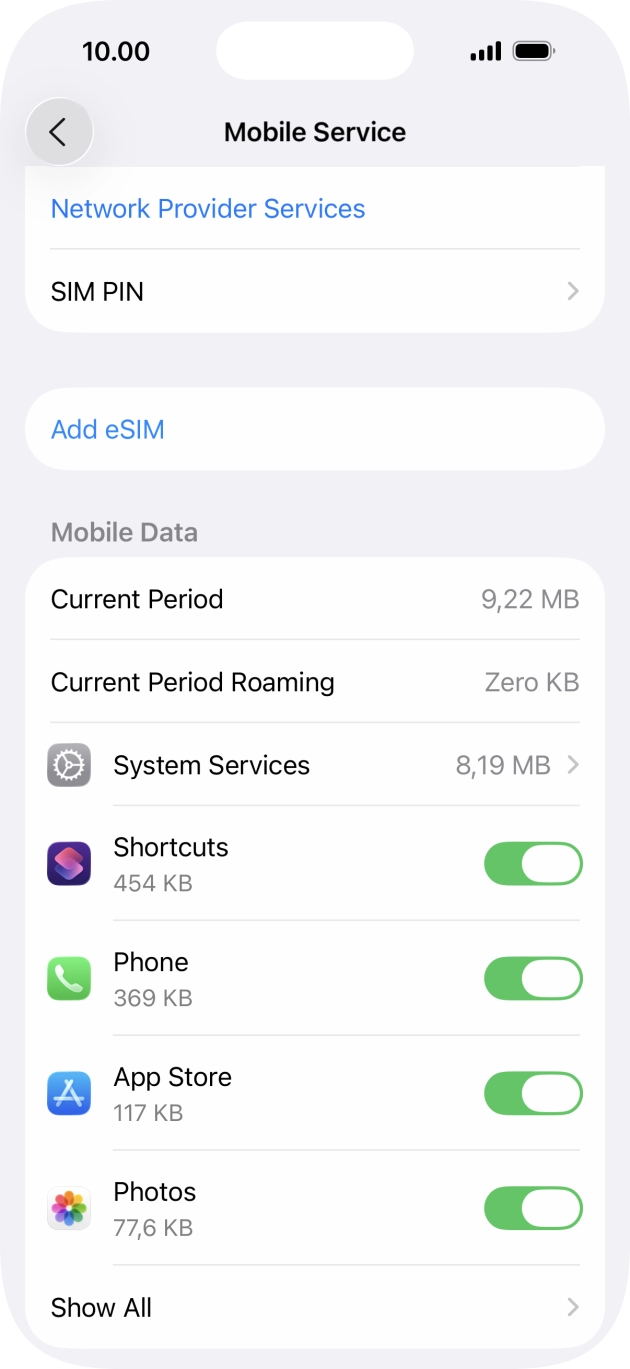 Enlarge screen ↗
The install button or your QR code opens the phone’s system setup. Confirm that you want to add the eSIM, then stay connected to Wi-Fi until the profile finishes downloading. If the phone first asks how to add an eSIM, use your QR code. You do not need to transfer your home SIM from another phone.
Continue / Add / Install / Set up → wait for the eSIM to download
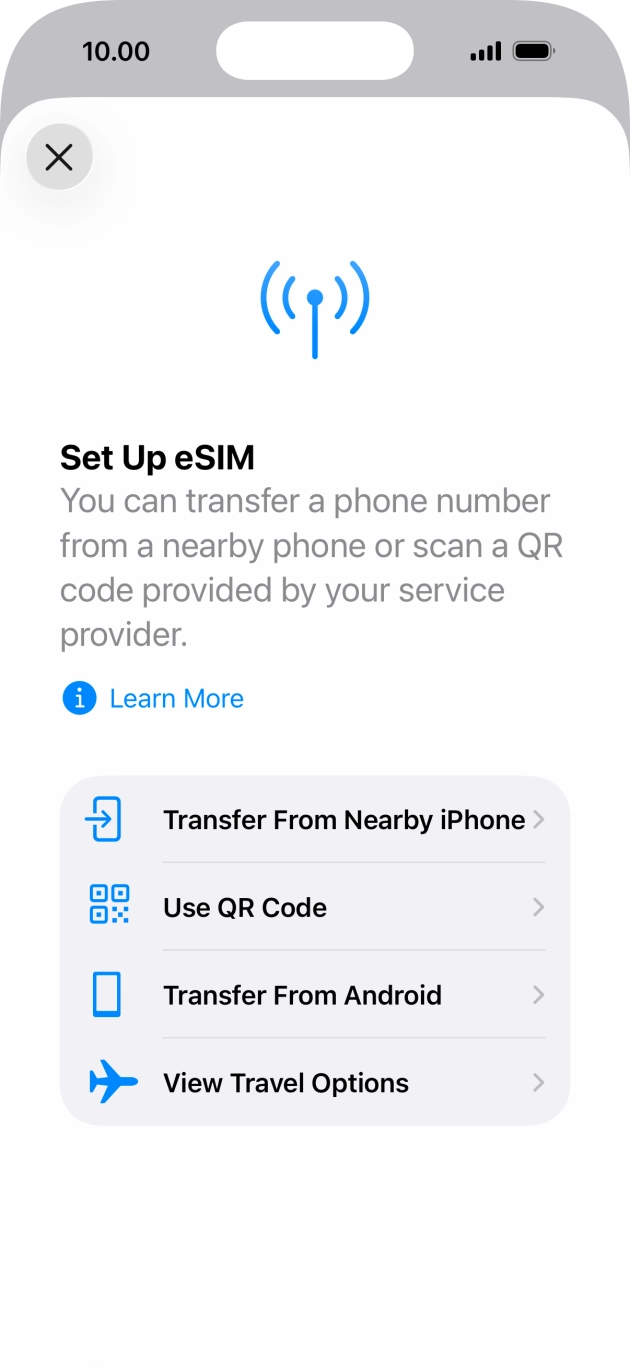 Enlarge screen ↗
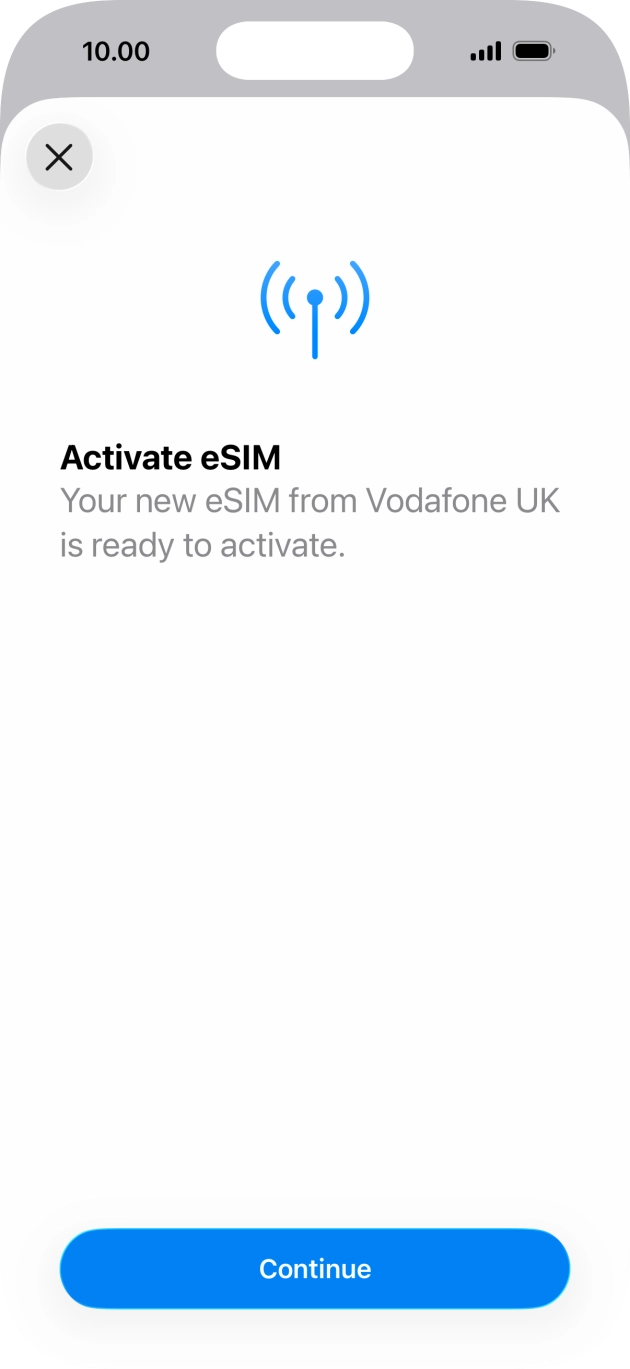 Enlarge screen ↗
For example, “Letisim Sudan”, so you can distinguish it from your home SIM. This is a label on your phone; it does not change the number or plan.
iPhone: Settings → Cellular / Mobile Service → new eSIM → Cellular Plan Label → Custom
Google Pixel / Android: Settings → Network & internet → SIMs → new eSIM → Edit name
Samsung: Settings → Connections → SIM manager → new eSIM → Name
Huawei: SIM management → SIM 2 → your eSIM → Card name. You can keep the existing label if no rename option is shown.
Honor: SIM management → SIM 2 → eSIM name. Rename it if your MagicOS version offers this option.
Xiaomi / Redmi: Manage eSIM → your plan → Change nickname, if available.
Motorola: Open the new eSIM in SIM settings and use the edit-name option if available.
OPPO: Open the installed profile in eSIM settings and change its label if your ColorOS version allows it.
OnePlus: Open the installed eSIM and edit its name if the option is available.
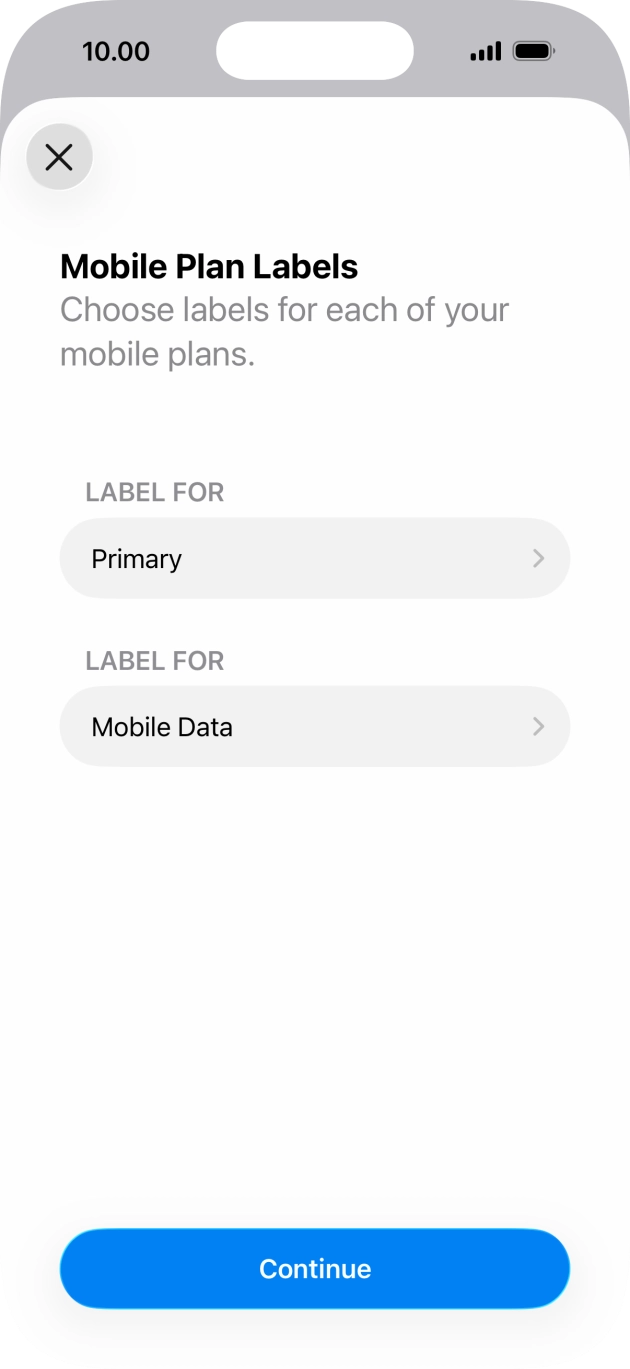 Enlarge screen ↗
Installation adds the eSIM to your phone. Choose it for mobile data at your destination. Package validity still follows its own start rule.
Turn on the new line and select it for mobile data. You can keep your home SIM for calls and texts at its usual rates. Turn off automatic mobile-data switching between SIMs.
iPhone: Settings → Cellular / Mobile Service → Cellular Data → Letisim. Turn off “Allow Cellular Data Switching”.
Google Pixel / Android: Settings → Network & internet → SIMs → Mobile data → Letisim
Samsung: Settings → Connections → SIM manager → Mobile data → Letisim
Huawei: In SIM management, enable the travel eSIM and select it as the default mobile-data SIM. Adding it may disable a physical SIM in slot 2.
Honor: In SIM management, enable the eSIM and choose it for mobile data. Check which physical SIM remains active.
Xiaomi / Redmi: Enable the travel plan in Manage eSIM, then select it for mobile data. Some models use eSIM instead of physical SIM 2.
Motorola: Network & internet → SIM settings: enable the travel eSIM and select it for mobile data.
OPPO: Enable the profile in Mobile network → eSIM, then select it for mobile data. The eSIM may occupy the SIM 2 position.
OnePlus: In Mobile network, enable the travel eSIM and choose it for mobile data. Turn off automatic switching to the other SIM.
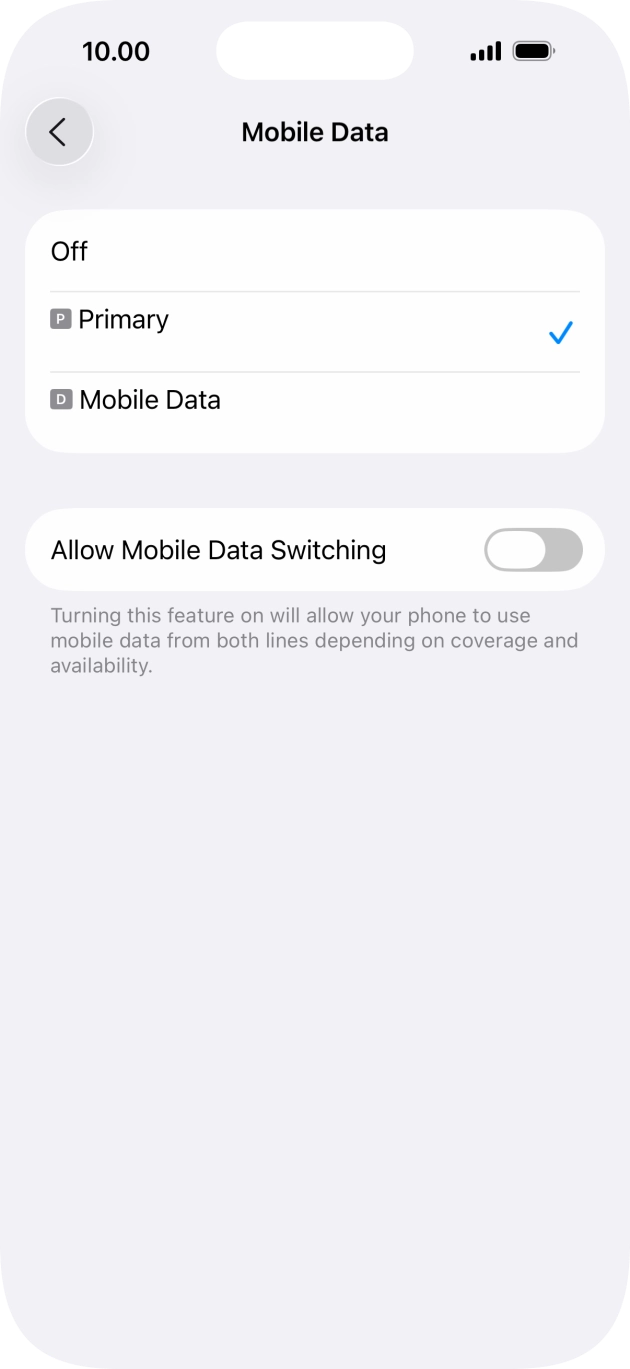 Enlarge screen ↗
If your eSIM instructions require data roaming, enable it for the Letisim line. Keep data roaming off on your home SIM. If an APN is specified, use the exact value in your own package’s guide.
iPhone: Settings → Cellular / Mobile Service → Letisim → Data Roaming (sometimes under Cellular Data Options)
Google Pixel / Android: Settings → Network & internet → SIMs → Letisim → Roaming
Samsung: First select Letisim for mobile data, then Settings → Connections → Mobile networks → Data roaming
Huawei: Open Mobile network → Mobile data and check data roaming for the travel SIM. Follow the settings in your package guide.
Honor: In the mobile-network settings, open the travel SIM’s data settings and enable roaming only if your package requires it.
Xiaomi / Redmi: In Mobile networks, open the travel SIM’s data-roaming settings. Use the roaming and APN values from your package guide.
Motorola: Open the travel eSIM’s network settings and check Roaming against your package instructions.
OPPO: Open the travel SIM’s mobile-network settings and enable data roaming if required by your package.
OnePlus: Open the travel SIM’s settings and check Data roaming against the instructions for your own package.
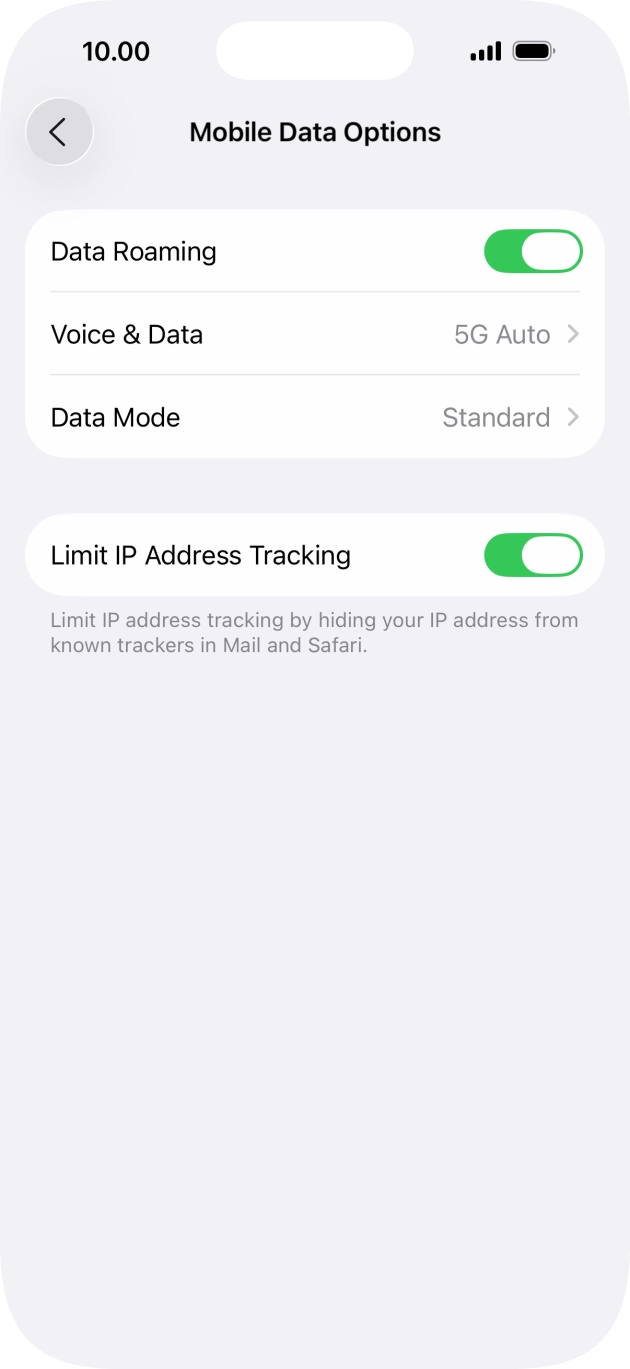 Enlarge screen ↗
Turn off Wi-Fi and open a map or website. If it loads, mobile data is working. If it does not, turn airplane mode on for about 30 seconds, turn it off and wait for a connection. Recheck the selected line and package settings.
Wi-Fi off → website loads → you are connected
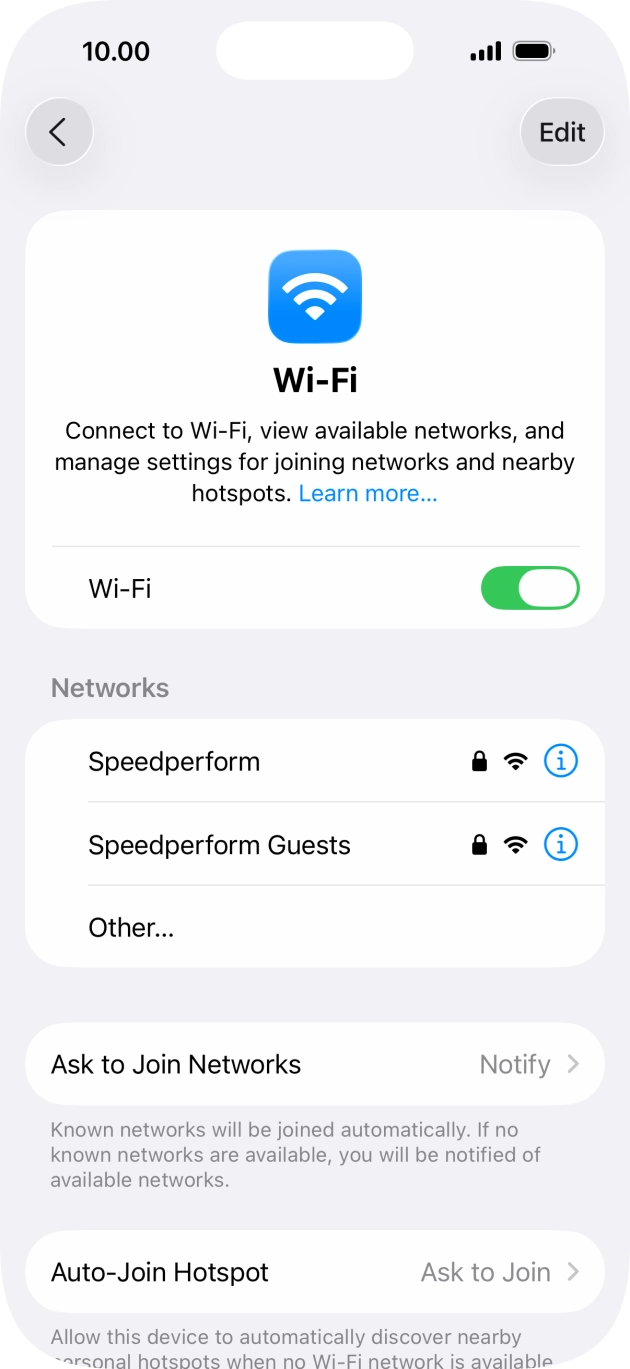 Enlarge screen ↗
If the scanner has a gallery button, save the QR from your order and choose that image. If your order includes manual installation details, choose Enter details manually and copy the fields exactly. The available methods depend on your phone and eSIM. If neither is available, contact support; do not scan a sample code from this guide or delete an installed eSIM.
Menu names can differ by phone model and system version.
04 / Operators
Compare network coverage separately from speed. A national result does not predict reception inside your hotel or along a mountain road.
TPRA is the national regulator for telecommunications in Sudan, and official operator pages together with sector reporting support a national list of three mobile networks commonly active in the market: Zain, MTN Sudan and Sudani/Sudatel. This page uses that researched national list scope rather than claiming every service variant or reseller.
Ask Zain about mobile coverage at your accommodation and along your route. Check the network listed in the eSIM package before purchase. [6]
Official website ↗MTN Sudan is an official mobile operator in the market, but no public operator coverage checker was verified for linking here. [3]
Official website ↗Ask Sudani about mobile coverage at your accommodation and along your route. Check the network listed in the eSIM package before purchase. [4] [5]
Official website ↗The network in your chosen package is what matters. This country comparison does not mean every plan includes every operator. 5G depends on the package, phone and local coverage.
05 / Coverage
Check the addresses and roads you will actually use. Save maps and booking details before leaving Wi-Fi.
For the capital, plan for strong dependence on live routing, messaging and payments in the city center, but keep offline maps saved before arriving. Traffic, power cuts and day-to-day movement can change the value of a data connection quickly, so it helps to have two ways to open maps and ride-hailing. If you are crossing between Khartoum, Omdurman and Bahri, a local SIM or eSIM is useful for frequent short sessions rather than only one long download. [7] [1]
This is the most practical area to prepare offline before moving along the coast or out to reef and dive departures. Download maps, hotel details and transfers in advance, because you may spend part of the day away from dense city coverage while moving between airport, port, beaches and boats. For diving or island trips, treat mobile data as a planning tool before departure and a messaging tool after you are back on land. [7] [2]
This is a route where you should expect longer overland stretches, heritage stops and fewer chances to rely on data at every turn. Save maps for the whole drive between Khartoum, the river sites and overnight stops, and keep contact details offline. Around archaeological areas, the useful question is not whether the phone will always be fast, but whether you can still open directions, translation and booking details when needed. [7]
Sudan · eSIM
Sudan’s telecom market is regulated by TPRA, and the main mobile networks referenced by official operator sources are Zain, MTN Sudan and Sudani. For travellers, that means the useful choice is less about a slogan and more about matching the route you will actually take, whether that is mostly urban movement in Khartoum or a longer overland itinerary.
Public operator pages can confirm service presence, while tourism sources show why many visitors need data for navigation across very different trip styles: the capital and its river crossings, the Red Sea coast around Port Sudan, and the northern archaeology corridor toward Meroë and Jebel Barkal. A good setup is to install the eSIM before departure, keep offline maps ready and pick a plan with enough room for repeated short sessions.
Useful for turn-by-turn navigation, saved places and offline map downloads before a trip. It is practical for city navigation, airport transfers and checking route options across Sudan. [9]
An offline-first map app that can help when you want locally saved maps without depending on a live connection. It is especially useful as a backup on road journeys and around sites where you may not want to keep data use open all day. [10]
Sudan’s official telecom regulator is TPRA, and the market is served by Zain, MTN Sudan and Sudani/Sudatel. For a traveller, the practical difference is that the best plan is usually the one that matches the route you actually take, not a generic promise. If you expect mostly city use, a smaller data bundle can be enough; if you have road transfers, boat days or multiple hotel changes, choose a plan with more headroom and save offline maps as backup. [1] [2] [3] [4] [6]
Official operator pages can confirm that a network exists and offers service, but they do not tell you exactly how every street, road or site will perform on the day you arrive. Public maps and independent measurements are better for expectations, while your own route determines the real answer. A plan for Khartoum commuting is not the same as a plan for Red Sea transfers or a northern heritage circuit. [3] [4] [5] [8]
06 / FAQ
The national market is commonly described through three mobile networks: Zain, MTN Sudan and Sudani/Sudatel. An eSIM plan can work across one or more of those networks depending on the package design, but the operator list on this page is about the market structure, not a promise that every plan includes every network. If you are choosing between plans, the practical question is whether your route is mostly Khartoum city use, coastal movement, or a longer drive through the north. [1] [2] [3] [4] [6]
It can be, if your trip is mainly hotel-to-city-center movement and you keep maps saved offline. If you expect frequent rides, navigation, messaging, photo sharing and repeated app use during transfers, a larger bundle gives you more room. In Sudan, the safe way to choose is by trip style: a short city stay needs less than a multi-stop itinerary with road travel and time away from Wi‑Fi. [7] [8] [9] [10]
No. Live maps are useful, but Sudan is a good place to keep offline maps ready before you leave your hotel. That matters especially if you move between Khartoum, Port Sudan and heritage sites farther north, because you may have periods when you want directions or booking details without depending on immediate signal. Offline maps are the simplest backup for route changes, meeting points and airport transfers. [7] [9] [10]
Usually yes, in practical terms. Khartoum is about frequent short urban sessions, ride requests and messaging, while the Red Sea coast adds airport transfers, port movement, hotel hops and time around boats or beach sites. That does not mean one area is always better or worse; it means you should prepare for the kind of connectivity you will use most, and keep offline maps on hand for the parts of the day spent away from the city. [7] [9] [10]
Install it before you depart if your phone supports eSIM activation that way, then leave the data line ready for first connection when you arrive. That gives you time to test compatibility while you still have your home connection. Keep your home SIM charges separate from the travel eSIM, because calling and SMS on your regular line may still follow your home carrier’s roaming rules. [9] [10]
Use a data plan with enough spare capacity for repeated map checks, translation, hotel coordination and occasional route changes, then save the whole drive offline. The northern heritage route is better handled as a prepared itinerary than as a trip where you expect to stream and navigate continuously. In practice, that means downloading maps, pinning addresses and keeping key contacts available without network access. [7] [9] [10]