LetisimReloadable
ORANGE4G
DATA1 GB
VALIDITY7 days
VALIDITY STARTS AT FIRST CONNECTIONACTIVATE WITHIN 180 DAYS
$17.40$17.40 · Per GB
Guinea · GN
from $14.49 per GB
Stay connected in Guinea for maps, taxi rides and messages. A data eSIM keeps your phone ready for city arrivals, island trips and road journeys while your home SIM remains separate for calls and SMS.
20 GB · 30 days for $289.80. Catalog checked 2026-09-10; confirm the total before paying.
A digital SIM you add to your phone over the internet. No plastic card and no visit to a shop.
Use Letisim for maps, taxis and messages while keeping your usual number.
Check my phoneCalls and texts on your home SIM follow your operator’s rates.
Compare data, duration and when validity begins. A top-up label means more data can be added to that package.
Prices checked 2026-09-10. The live catalog is authoritative at checkout.
Prices checked 2026-09-10. The live catalog is authoritative at checkout.
Open all current plans| Data | Validity | Price | Per GB | Choose plan |
|---|---|---|---|---|
| 1 GBOrange4GReloadable | 7 daysVALIDITY STARTS AT FIRST CONNECTIONACTIVATE WITHIN 180 DAYS | $17.40 | $17.40 | Choose plan |
| 3 GBOrange4GReloadable | 15 daysVALIDITY STARTS AT FIRST CONNECTIONACTIVATE WITHIN 180 DAYS | $46.40 | $15.47 | Choose plan |
| 3 GBOrange4GReloadable | 30 daysVALIDITY STARTS AT FIRST CONNECTIONACTIVATE WITHIN 180 DAYS | $49.28 | $16.43 | Choose plan |
| 5 GBOrange4GReloadable | 30 daysVALIDITY STARTS AT FIRST CONNECTIONACTIVATE WITHIN 180 DAYS | $77.28 | $15.46 | Choose plan |
| 10 GBOrange4GReloadable | 30 daysVALIDITY STARTS AT FIRST CONNECTIONACTIVATE WITHIN 180 DAYS | $154.56 | $15.46 | Choose plan |
| 20 GBOrange4GReloadable | 30 daysVALIDITY STARTS AT FIRST CONNECTIONACTIVATE WITHIN 180 DAYS | $289.80 | $14.49 | Choose plan |
Choose an allowance to see what it could cover. Quality, compression and background activity change actual usage.
With 3 GB, approximately…
Example: 5 MB per photo
Example: a 1-minute Full HD clip ≈ 63 MB
HD example: 3 GB per hour
At standard quality: ≈ 4 hr 17 min
1:1 at 720p: ≈ 1.08 GB per hour
Each result uses the whole allowance for that one activity. The results do not add up: maps, messages and other apps share the same data.
Taking photos or recording video on your phone does not itself use mobile data. Sending, watching or backing them up over the mobile network does.
| Data | Photos · 5 MB | 1-minute clips · 63 MB | HD video · 3 GB/hr | Standard video · 0.7 GB/hr | Video calls · 720p |
|---|---|---|---|---|---|
| 1 GB | ≈ 200 photos | ≈ 15 clips | ≈ 20 min | ≈ 1 hr 25 min | ≈ 55 min |
| 3 GB | ≈ 600 photos | ≈ 47 clips | ≈ 1 hr | ≈ 4 hr 17 min | ≈ 2 hr 46 min |
| 5 GB | ≈ 1,000 photos | ≈ 79 clips | ≈ 1 hr 40 min | ≈ 7 hr 8 min | ≈ 4 hr 37 min |
| 10 GB | ≈ 2,000 photos | ≈ 158 clips | ≈ 3 hr 20 min | ≈ 14 hr 17 min | ≈ 9 hr 15 min |
| 20 GB | ≈ 4,000 photos | ≈ 317 clips | ≈ 6 hr 40 min | ≈ 28 hr 34 min | ≈ 18 hr 31 min |
Planning examples, not guaranteed totals. We use 1 GB = 1,000 MB, round down complete files and minutes, and exclude overhead, retries and background traffic.
Sources checked 2026-09-08
Start with your usual usage. Download maps, your accommodation address and bookings before departure.
Allow extra data if Wi-Fi will be limited. Check whether your phone backs up photos and videos over mobile data.
Check recent data use on your phone and the package’s hotspot rules. Budget separately for video calls and large downloads.
03 / Installation
Your first eSIM? Here is what to open and what to tap.
Check the exact model, regional variant and system version. If Add eSIM or EID is missing, contact support before buying. A brand name alone does not confirm compatibility.
Manufacturer’s instructions · iPhone ↗
Manufacturer’s instructions · Google Pixel / Android ↗
Manufacturer’s instructions · Samsung ↗
Manufacturer’s instructions · Huawei ↗
Manufacturer’s instructions · Honor ↗
Manufacturer’s instructions · Xiaomi / Redmi ↗
Manufacturer’s instructions · Motorola ↗
Manufacturer’s instructions · OPPO ↗
Manufacturer’s instructions · OnePlus ↗
On iOS 26, a Turn On Travel eSIM notification may appear after arrival. Choose the travel line for data and check whether you also want to keep your home line active. If no notification appears, use the manual steps below.
Check when your package starts: at payment, installation or first connection. If it starts on installation, install nearer your trip. Installing later does not postpone a package that started at payment.
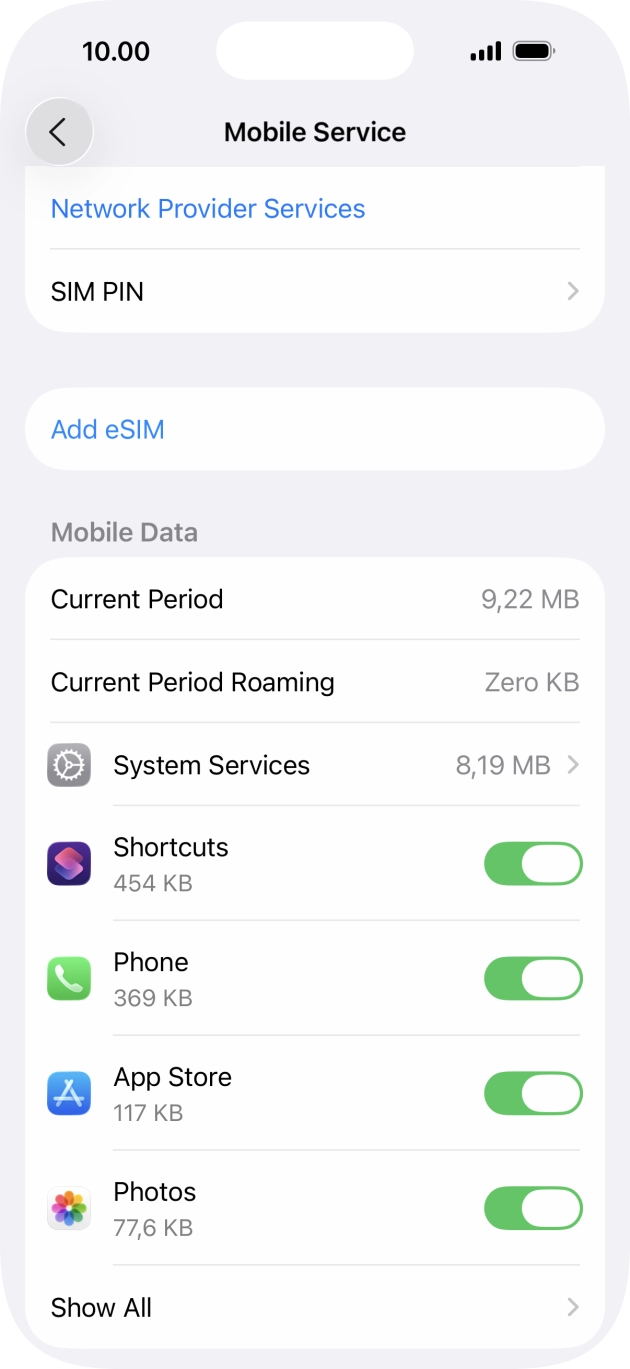
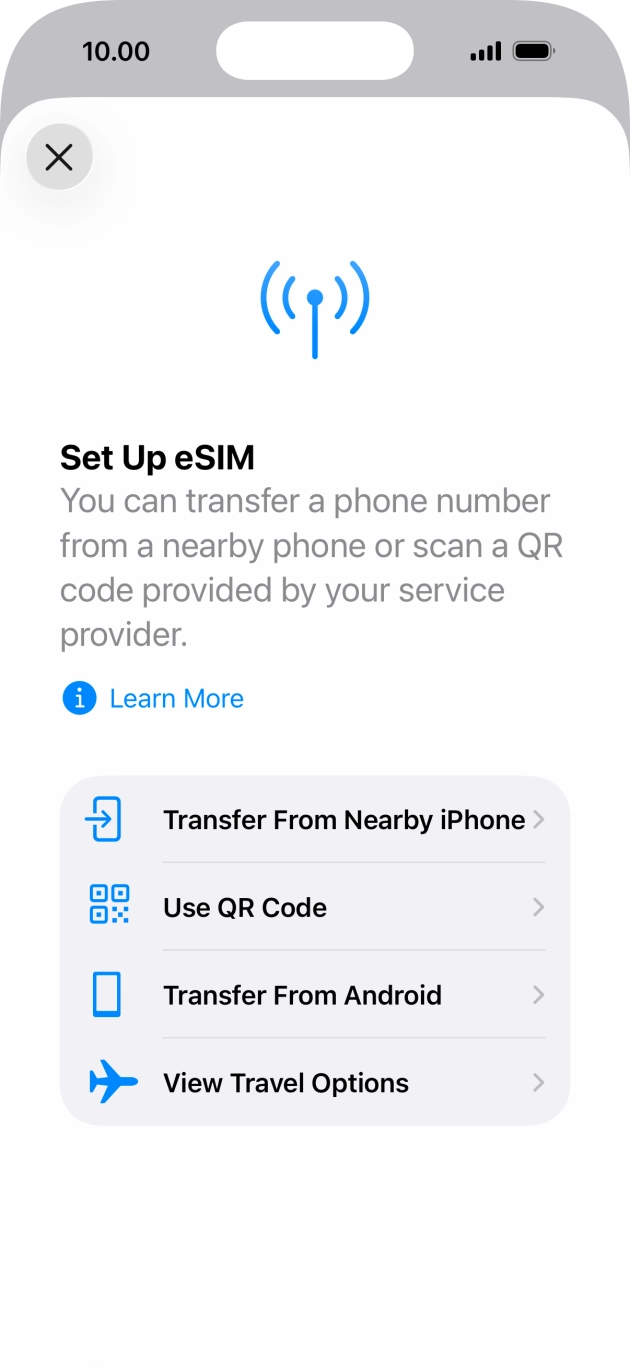
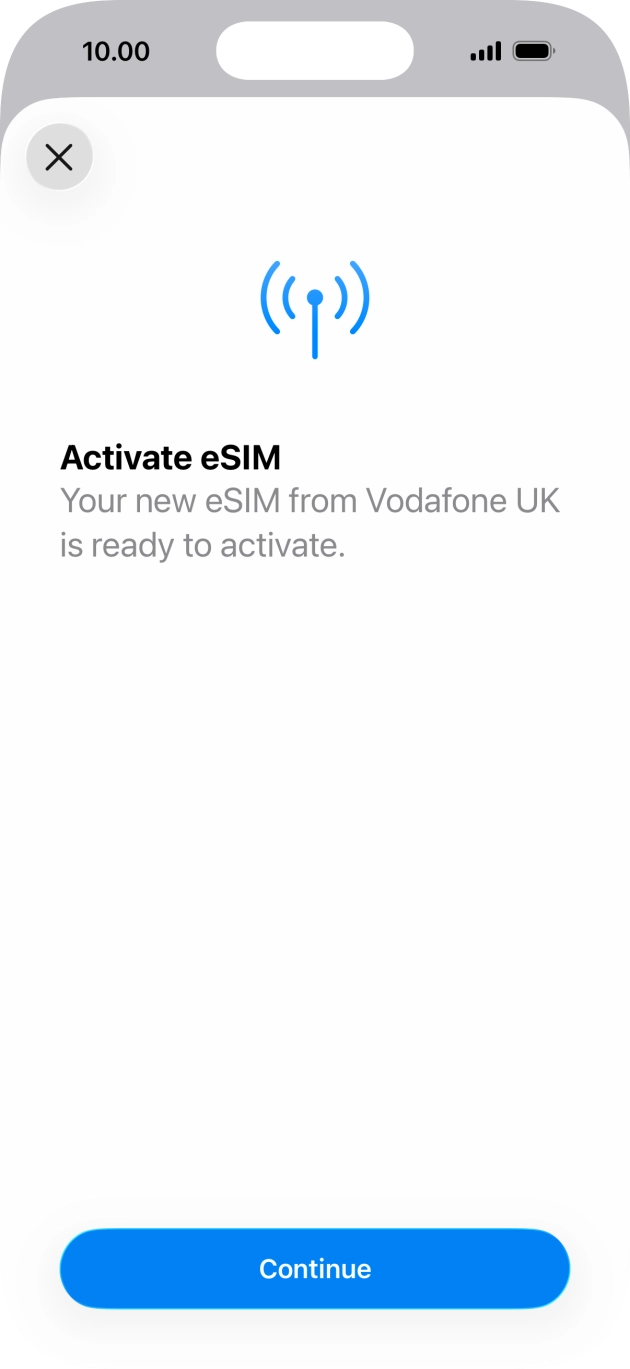
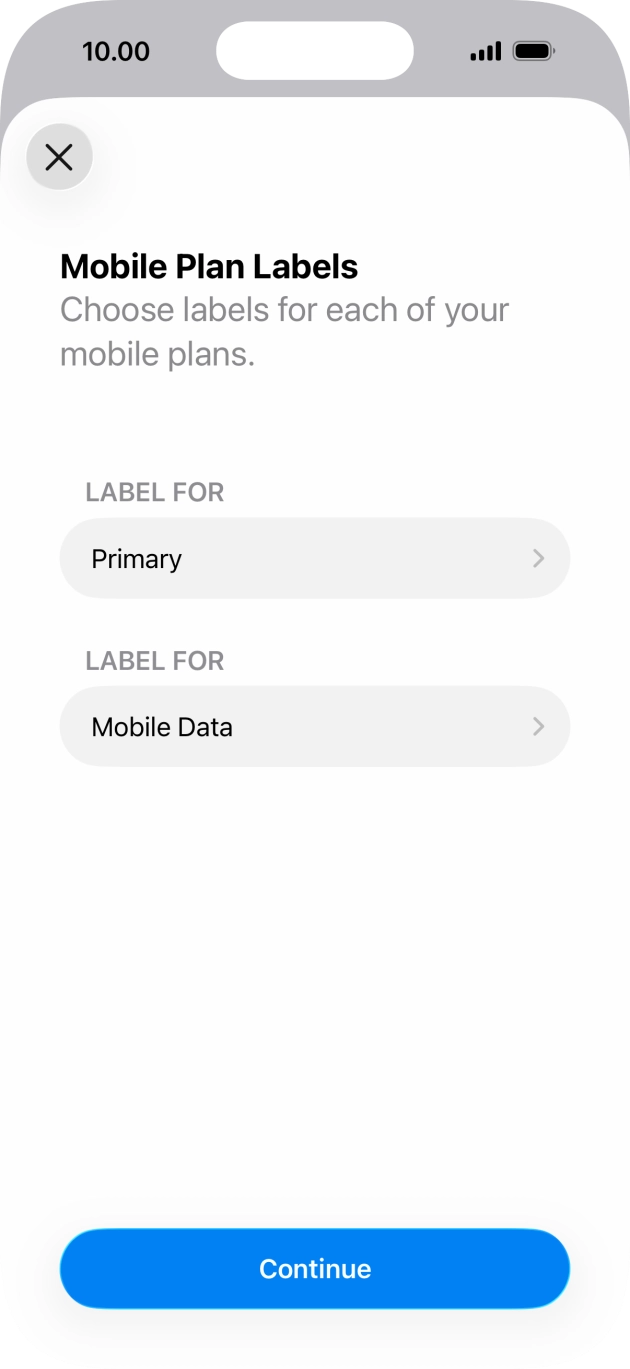
These screens show settings on the models named below. Your operator and eSIM labels will differ. Screens retain the source language; each caption translates and identifies the control to use. Tap any image for a closer look.
iPhone 17 · iOS 26 · Screen source ↗
Use a stable Wi-Fi connection or hotspot. Your exact phone model must support eSIM and be unlocked for other operators.
Connect the phone you will use for your eSIM to Wi-Fi. Choose one of the two options below. If this eSIM is already installed, skip to choosing the line for mobile data.
You can add the eSIM by scanning its QR code in Settings. Follow the path below, choose the QR scanner and use the code for your own purchase. If the QR is on this same phone, see the options without a second screen below the guide.
iPhone: Settings → Mobile Service / Cellular → Add eSIM → Use QR Code → Scan QR Code → Continue
Google Pixel / Android: Settings → Network and Internet → SIMs → Add SIM → Set up an eSIM → scan your QR → Set up
Samsung: Settings → Connections → SIM manager → Add eSIM → Scan QR code → Add → Next
Huawei: Settings → Mobile network → SIM management → SIM 2 → Add eSIM → Add eSIM → Scan code → Add this eSIM
Honor: Settings → Mobile network → SIM management → Add eSIM → Add eSIM or transfer from your device → Set up an eSIM → Set up
Xiaomi / Redmi: Settings → Mobile networks → Use eSIM → Manage eSIM → Add eSIM → Add eSIM → scan your QR → confirm download
Motorola: Settings → Network & Internet → SIMs & mobile network → Download new SIM → Set up an eSIM → scan your QR → Set up
OPPO: Settings → Mobile network → SIM & eSIM settings → Add eSIM → Set up an eSIM → scan your QR → Set up
OnePlus: Settings → Mobile network → eSIM → Add eSIM → Add eSIM → Next → scan your QR → Set up
 Enlarge screen ↗
The install button or your QR code opens the phone’s system setup. Confirm that you want to add the eSIM, then stay connected to Wi-Fi until the profile finishes downloading. If the phone first asks how to add an eSIM, use your QR code. You do not need to transfer your home SIM from another phone.
Continue / Add / Install / Set up → wait for the eSIM to download
 Enlarge screen ↗
 Enlarge screen ↗
For example, “Letisim Guinea”, so you can distinguish it from your home SIM. This is a label on your phone; it does not change the number or plan.
iPhone: Settings → Cellular / Mobile Service → new eSIM → Cellular Plan Label → Custom
Google Pixel / Android: Settings → Network & internet → SIMs → new eSIM → Edit name
Samsung: Settings → Connections → SIM manager → new eSIM → Name
Huawei: SIM management → SIM 2 → your eSIM → Card name. You can keep the existing label if no rename option is shown.
Honor: SIM management → SIM 2 → eSIM name. Rename it if your MagicOS version offers this option.
Xiaomi / Redmi: Manage eSIM → your plan → Change nickname, if available.
Motorola: Open the new eSIM in SIM settings and use the edit-name option if available.
OPPO: Open the installed profile in eSIM settings and change its label if your ColorOS version allows it.
OnePlus: Open the installed eSIM and edit its name if the option is available.
 Enlarge screen ↗
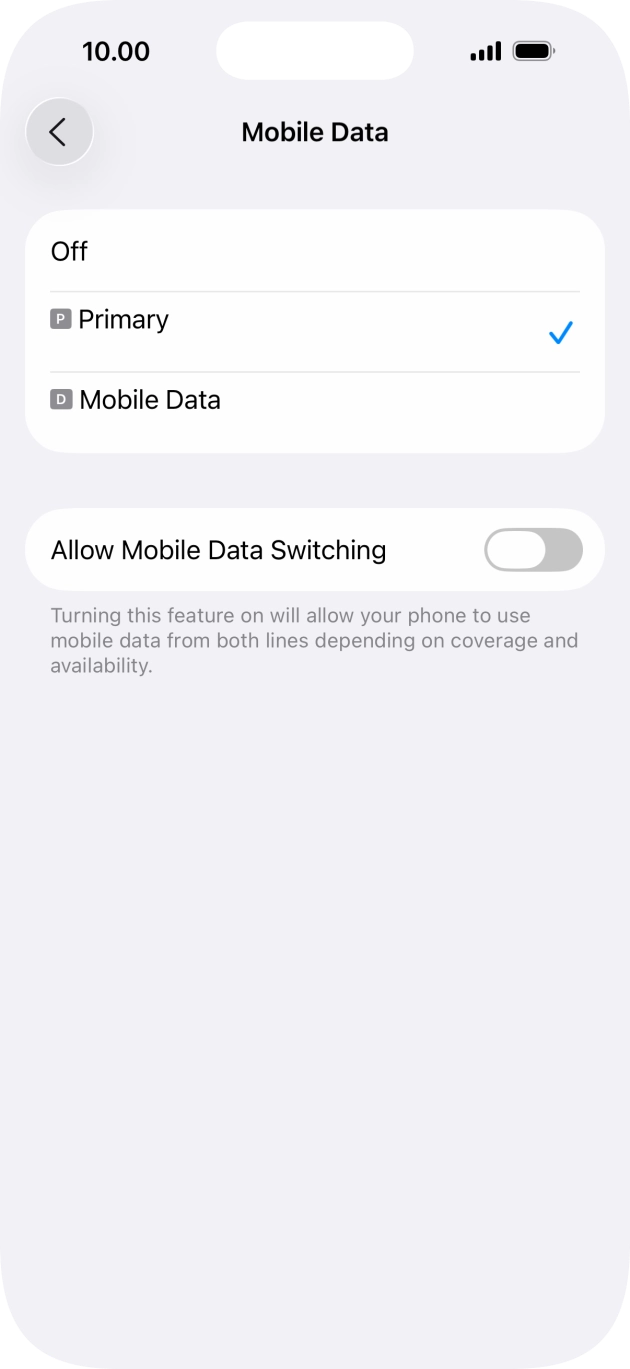
Installation adds the eSIM to your phone. Choose it for mobile data at your destination. Package validity still follows its own start rule.
Turn on the new line and select it for mobile data. You can keep your home SIM for calls and texts at its usual rates. Turn off automatic mobile-data switching between SIMs.
iPhone: Settings → Cellular / Mobile Service → Cellular Data → Letisim. Turn off “Allow Cellular Data Switching”.
Google Pixel / Android: Settings → Network & internet → SIMs → Mobile data → Letisim
Samsung: Settings → Connections → SIM manager → Mobile data → Letisim
Huawei: In SIM management, enable the travel eSIM and select it as the default mobile-data SIM. Adding it may disable a physical SIM in slot 2.
Honor: In SIM management, enable the eSIM and choose it for mobile data. Check which physical SIM remains active.
Xiaomi / Redmi: Enable the travel plan in Manage eSIM, then select it for mobile data. Some models use eSIM instead of physical SIM 2.
Motorola: Network & internet → SIM settings: enable the travel eSIM and select it for mobile data.
OPPO: Enable the profile in Mobile network → eSIM, then select it for mobile data. The eSIM may occupy the SIM 2 position.
OnePlus: In Mobile network, enable the travel eSIM and choose it for mobile data. Turn off automatic switching to the other SIM.
 Enlarge screen ↗
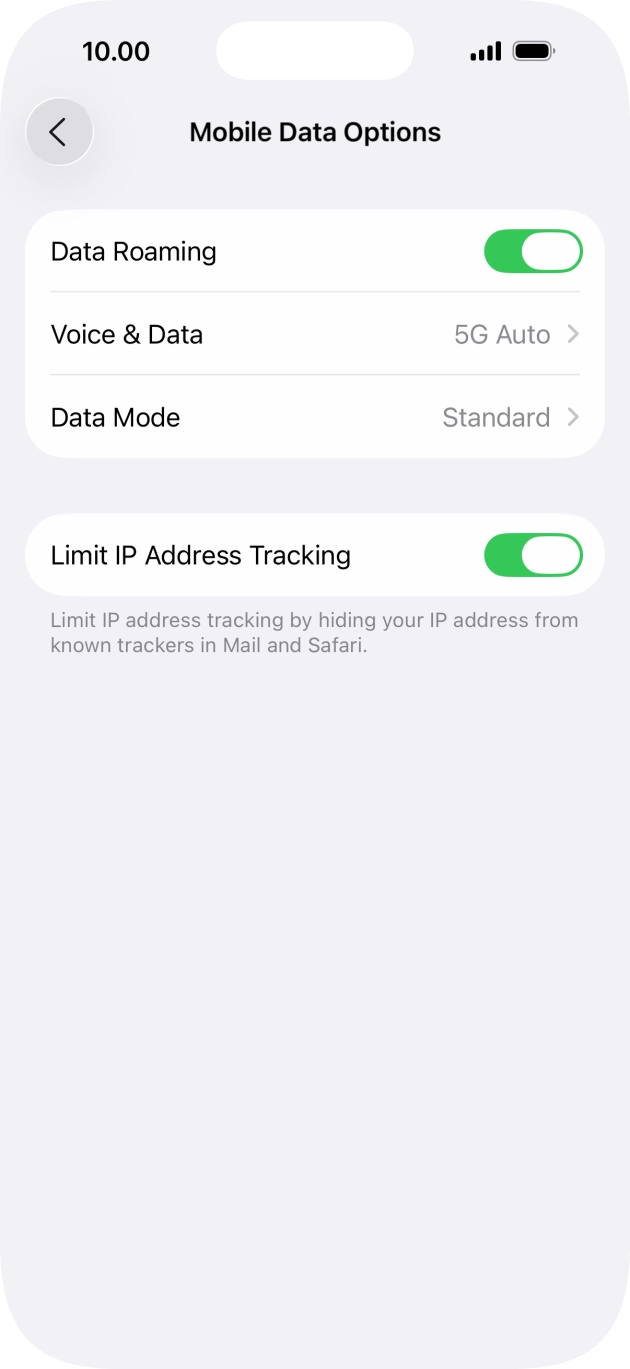
If your eSIM instructions require data roaming, enable it for the Letisim line. Keep data roaming off on your home SIM. If an APN is specified, use the exact value in your own package’s guide.
iPhone: Settings → Cellular / Mobile Service → Letisim → Data Roaming (sometimes under Cellular Data Options)
Google Pixel / Android: Settings → Network & internet → SIMs → Letisim → Roaming
Samsung: First select Letisim for mobile data, then Settings → Connections → Mobile networks → Data roaming
Huawei: Open Mobile network → Mobile data and check data roaming for the travel SIM. Follow the settings in your package guide.
Honor: In the mobile-network settings, open the travel SIM’s data settings and enable roaming only if your package requires it.
Xiaomi / Redmi: In Mobile networks, open the travel SIM’s data-roaming settings. Use the roaming and APN values from your package guide.
Motorola: Open the travel eSIM’s network settings and check Roaming against your package instructions.
OPPO: Open the travel SIM’s mobile-network settings and enable data roaming if required by your package.
OnePlus: Open the travel SIM’s settings and check Data roaming against the instructions for your own package.
 Enlarge screen ↗
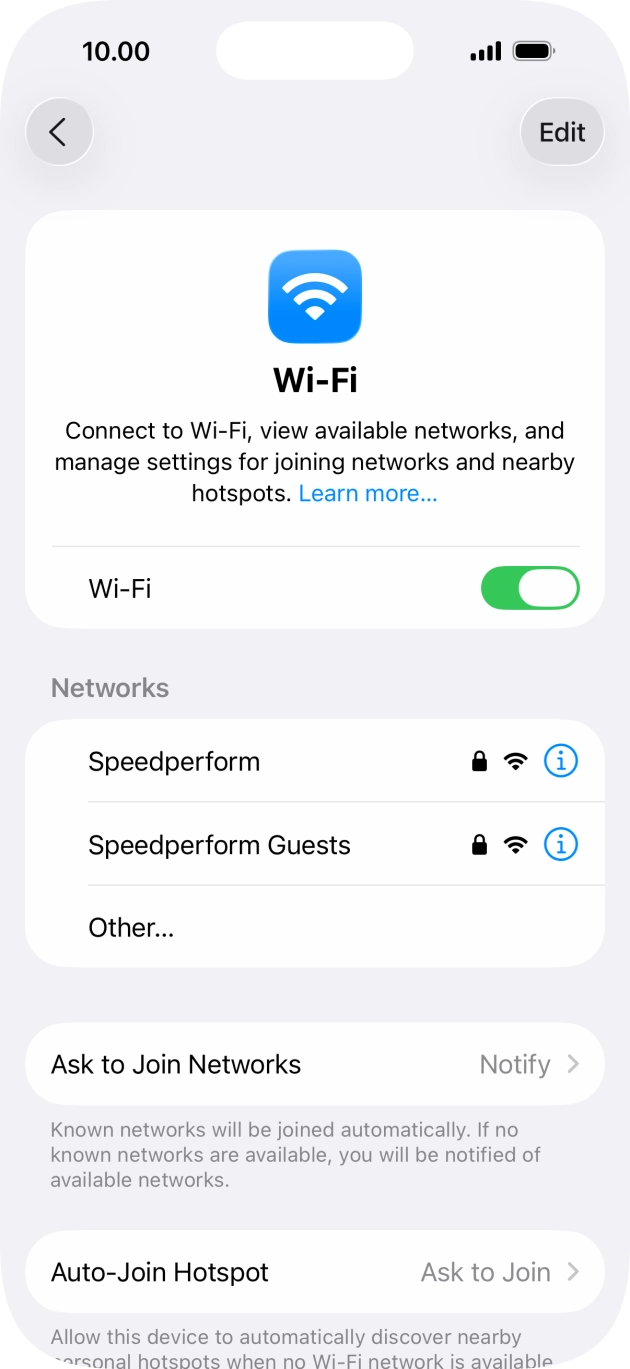
Turn off Wi-Fi and open a map or website. If it loads, mobile data is working. If it does not, turn airplane mode on for about 30 seconds, turn it off and wait for a connection. Recheck the selected line and package settings.
Wi-Fi off → website loads → you are connected
 Enlarge screen ↗
If the scanner has a gallery button, save the QR from your order and choose that image. If your order includes manual installation details, choose Enter details manually and copy the fields exactly. The available methods depend on your phone and eSIM. If neither is available, contact support; do not scan a sample code from this guide or delete an installed eSIM.
Menu names can differ by phone model and system version.
04 / Operators
Compare network coverage separately from speed. A national result does not predict reception inside your hotel or along a mountain road.
This comparison covers Orange Guinea, MTN Guinea and Cellcom Guinea. Check which network is listed in your chosen eSIM package, then compare coverage for the places on your itinerary.
Orange is identified in ARPT’s audit and market materials. Orange Travel’s Guinea page is a public operator page that indicates available network access for the destination, but it is not a substitute for a measured coverage map. [2] [3] [11] [12]
Check coverage ↗Ask MTN Guinea about mobile coverage at your accommodation and along your route. Check the network listed in the eSIM package before purchase. [2] [3] [6] [7] [12]
Official website ↗Ask Cellcom Guinea about mobile coverage at your accommodation and along your route. Check the network listed in the eSIM package before purchase. [2] [3] [12]
Official website ↗The network in your chosen package is what matters. This country comparison does not mean every plan includes every operator. 5G depends on the package, phone and local coverage.
05 / Coverage
Check the addresses and roads you will actually use. Save maps and booking details before leaving Wi-Fi.
Use mobile data first here for airport transfers, hotel check-in and city navigation. If you plan to rely on one SIM for the whole stay, verify the area in the regulator’s coverage tool and keep offline maps ready for traffic-heavy or busy port-side movement. [1] [4] [5] [8] [9]
For plateau itineraries, plan around road time, not just hotel time. A data eSIM is most useful for maps, driver coordination and booking confirmations, while downloaded maps reduce pressure on live signal between towns and viewpoints. [5] [8] [9]
Before the boat crossing, save the route, meeting point and return details. Live data is handy before departure and after arrival, but island travel is smoother when navigation and messages already work offline. [5] [8] [9]
If your route mixes town stops with longer transfers, keep everyday data on the eSIM and use offline navigation for stretches where you only need directions. That gives you a simpler setup when the trip becomes a road journey. [5] [8] [9]
Guinea · eSIM
Guinea’s mobile market is documented by ARPT through regulator reports and its ATLAS Guinée coverage tool, so you can check service by area instead of guessing from a single city name or carrier brand. That matters for travel because the most useful network is the one that works where you actually need it: airport transfers, hotel arrival, route changes and quick coordination with drivers or contacts.
The practical decision is less about advertising and more about matching the plan to how you move. In Conakry, mobile data is most immediately useful for navigation and ride coordination; on the Loos Islands and the Fouta plateau, the same phone benefits more from offline maps already saved in advance. A sensible setup for Guinea usually combines a data eSIM with prepared maps, saved addresses and a clear sense of where live internet matters most.
Useful for route search, walking and driving directions, and offline maps when you want a familiar navigator across cities and roads. [8]
A good offline-first choice for downloading the areas you will visit before you leave reliable Wi‑Fi. [9]
Helpful for urban movement when you want transit guidance and trip planning in one app, especially if you also have live mobile data. [10]
ARPT publishes a quality-control page and ATLAS Guinée, a public tool for viewing mobile network coverage and service quality. For travellers, that is useful because it helps tie your plan to the places you will actually visit instead of guessing from the country name alone. [1] [4]
APIP’s tourism material points to Conakry, the Loos Islands, the Fouta plateau, waterfalls and mountain areas. On these routes, live maps and fast messages are usually more useful than voice bundles, especially when plans change on the road. [5]
Google Maps and MAPS.ME both support offline maps, which helps when you move between towns, cross to the islands or spend long stretches on the road. Download the area before leaving Wi‑Fi so navigation still works if connectivity becomes limited. [8] [9]
06 / FAQ
Start with the places you will use most often, not just the country name. In Guinea that usually means Conakry for arrival and city movement, plus any planned trips to the Loos Islands, Fouta Djallon or Labé. A plan that is fine for short city tasks can feel too small if you are on the road for long stretches, so match the data amount to the way you travel. [1] [5] [8] [9]
Yes. ARPT provides ATLAS Guinée, a public tool for viewing mobile coverage and service quality. That is a better starting point than assuming every operator will feel the same everywhere. Use it together with your route, especially if you know you will need navigation, messaging or taxi coordination in several different areas. [1] [4]
Absolutely. Mobile data is best for live navigation, quick searches and short messages, but it is much easier to travel when your map app is already downloaded for the places you expect to visit. Google Maps and MAPS.ME both support offline use, so you can prepare the area before leaving Wi‑Fi and still navigate if signal becomes limited. [8] [9]
In the regulator materials used here, ARPT identifies Orange, MTN and Cellcom in the mobile market and audit reporting for Guinea. I am not treating that as a promise that every package includes every operator; instead, it is a practical guide to the market context. Your best choice still depends on your device, the route you will follow and how much data you need. [2] [3] [6] [12]
Usually yes, if your main needs are maps, taxi coordination and messaging. Keep your home SIM active only for the phone functions you actually want from it, such as your regular number for calls or SMS. A data eSIM does not replace your home operator’s voice or text service, so the two roles should stay separate in your setup. [8] [9] [10]